Revolutionizing Courtrooms: Art Meets Technology

The courtroom has long been a symbol of justice, a place where truth is sought and decisions are made that can change lives. However, the traditional courtroom experience has often been criticized for being slow, cumbersome, and inaccessible. As technology continues to evolve, it is reshaping how we approach legal proceedings. The integration of art and technology is not just a trend; it is a necessary evolution that enhances the courtroom experience for all involved.
In this blog post, we will explore how art and technology are revolutionizing courtrooms, making them more efficient, engaging, and accessible. We will delve into specific examples, discuss the benefits of these innovations, and consider the future of legal proceedings in a world where art meets technology.
The Intersection of Art and Technology in the Legal Field
Understanding the Role of Technology
Technology has permeated every aspect of our lives, and the legal field is no exception. From digital evidence presentation to virtual courtrooms, technology is transforming how legal professionals operate. Here are some key areas where technology is making a significant impact:
Digital Evidence Presentation: Gone are the days of relying solely on paper documents and physical evidence. Digital tools allow for the presentation of evidence in dynamic ways, making it easier for juries to understand complex information.
Virtual Courtrooms: The COVID-19 pandemic accelerated the adoption of virtual courtrooms. This shift has made it possible for participants to attend hearings from anywhere, increasing accessibility for those who may have difficulty traveling to a physical location.
Case Management Software: Legal professionals are using software to streamline case management, track deadlines, and improve communication with clients. This technology reduces administrative burdens and allows lawyers to focus on their clients.
The Role of Art in Courtrooms
Art has the power to evoke emotions and convey messages in ways that words alone cannot. In the courtroom, art can play a crucial role in enhancing understanding and engagement. Here are some ways art is being integrated into legal proceedings:
Visual Storytelling: Lawyers are increasingly using visual aids, such as infographics and animations, to tell their clients' stories. These tools can simplify complex legal concepts and make them more relatable to juries.
Artistic Representation of Evidence: Artists can create representations of crime scenes or events, providing juries with a clearer understanding of the context. This artistic interpretation can be particularly powerful in cases involving trauma or emotional distress.
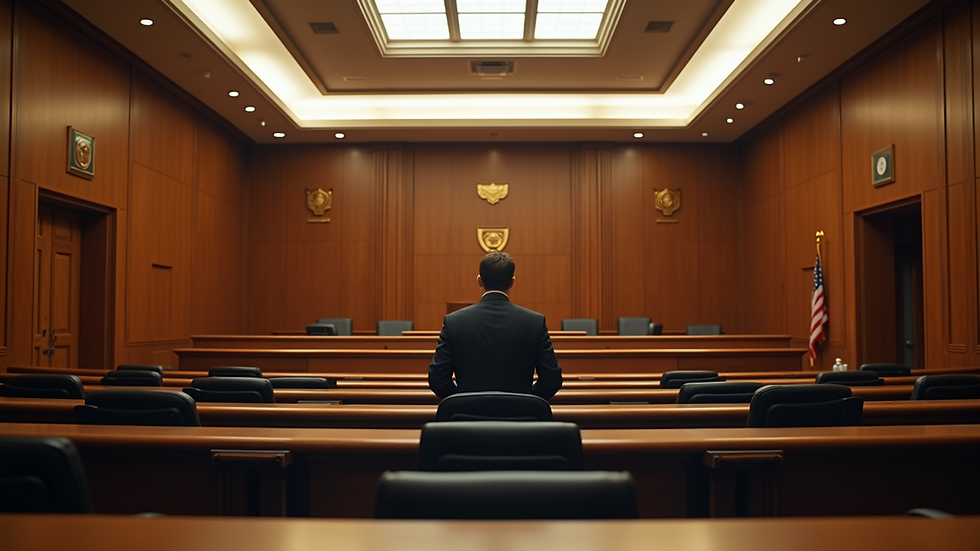
Courtroom Design: The physical design of courtrooms is also evolving. Incorporating art into courtroom design can create a more welcoming environment, reducing anxiety for witnesses and jurors alike.

Benefits of Integrating Art and Technology
The integration of art and technology in courtrooms offers numerous benefits that can enhance the legal process. Here are some key advantages:
Improved Comprehension
When complex legal concepts are presented visually, jurors are more likely to understand the information being presented. This improved comprehension can lead to more informed decisions and fairer outcomes.
Increased Engagement
Art and technology can make legal proceedings more engaging for jurors. When jurors are actively involved in the process, they are more likely to pay attention and retain information.
Enhanced Accessibility
Virtual courtrooms and digital evidence presentation make legal proceedings more accessible to a wider audience. This is particularly important for individuals with disabilities or those living in remote areas.
Streamlined Processes
Technology can streamline various aspects of the legal process, reducing delays and improving efficiency. This means that cases can be resolved more quickly, benefiting all parties involved.
Real-World Examples of Art and Technology in Action
Case Study: The Use of Virtual Reality in Courtrooms
One groundbreaking example of technology in the courtroom is the use of virtual reality (VR) to recreate crime scenes. In a notable case, a VR simulation was used to allow jurors to experience the crime scene from different perspectives. This immersive experience helped jurors better understand the events leading up to the crime, ultimately influencing their verdict.
Case Study: Visual Evidence in Trials
In a high-profile trial, lawyers used animated reconstructions to depict the sequence of events during a car accident. The animations provided jurors with a clear visual representation of the incident, making it easier for them to grasp the details. This approach not only clarified the facts but also made the trial more engaging.
Challenges and Considerations
While the integration of art and technology in courtrooms offers many benefits, it is not without challenges. Here are some considerations to keep in mind:
Ethical Concerns
The use of technology and art in courtrooms raises ethical questions about the potential for manipulation. It is crucial to ensure that visual representations are accurate and do not mislead jurors.
Cost Implications
Implementing advanced technology and artistic elements can be costly. Courts may need to weigh the benefits against the financial implications of these innovations.
Training and Familiarization
Legal professionals must be trained to effectively use new technologies and artistic tools. This requires time and resources, which may not always be readily available.
The Future of Courtrooms: A Harmonious Blend of Art and Technology
As we look to the future, it is clear that the integration of art and technology will continue to shape the legal landscape. Here are some trends to watch for:
Increased Use of Artificial Intelligence
Artificial intelligence (AI) is poised to play a significant role in legal proceedings. From predictive analytics to automated document review, AI can enhance efficiency and accuracy in the courtroom.
Greater Emphasis on User Experience
Courts will likely focus more on creating user-friendly environments for jurors and witnesses. This may include incorporating art and technology to make the courtroom experience more comfortable and engaging.
Continued Innovation in Evidence Presentation
As technology advances, we can expect even more innovative ways to present evidence. This could include augmented reality (AR) tools that allow jurors to interact with evidence in real-time.
Conclusion
The integration of art and technology in courtrooms is not just a passing trend; it is a necessary evolution that enhances the legal process. By improving comprehension, increasing engagement, and streamlining processes, these innovations are making courtrooms more effective and accessible. As we move forward, it is essential to embrace these changes while remaining mindful of ethical considerations and the need for training.
The future of courtrooms is bright, with the potential for a harmonious blend of art and technology that will ultimately lead to a more just and equitable legal system. As legal professionals and courts continue to explore these possibilities, the impact on the pursuit of justice will be profound.
By staying informed and open to these advancements, we can all contribute to a legal system that is not only efficient but also compassionate and understanding.

Comments